
Where to Put a Radon Detector
Placement makes a big difference to radon readings. Here's where to put a radon detector in your home — and where not to.
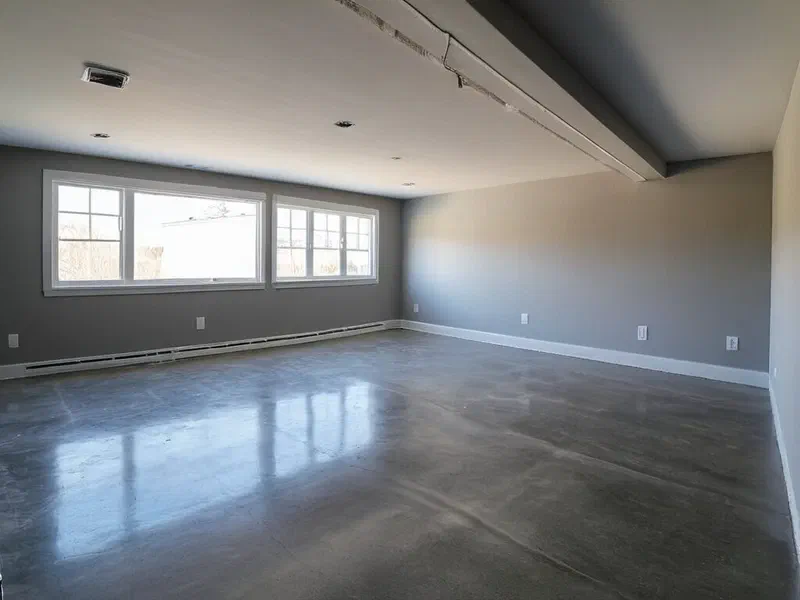
For a representative radon reading, place your detector on the lowest lived-in level of your home, in a room you use often. Radon comes from the ground, so concentrations are usually highest on the lowest floors.
Good places
- A basement family room, office or bedroom that is used regularly
- A ground-floor bedroom or living room if there is no lived-in basement
- On a table or shelf about 20 inches (50 cm) or more above the floor
Places to avoid
- Kitchens, bathrooms and laundry rooms (humidity and exhaust fans skew readings)
- Near doors, windows, vents, fireplaces or exterior walls
- In direct sunlight or near heaters
- Crawl spaces and sumps — they show the source, not what you breathe
Keep it in one place
Moving a detector around resets what you’re comparing against. Leave a continuous monitor in one spot for at least a few weeks to see the real pattern.
Frequently asked questions
Should I put a radon detector in the basement?
Yes, if the basement is a level you use regularly. Radon is usually highest on the lowest level of a home.
Can I put a radon detector in my bedroom?
Yes. A bedroom is a good choice because you spend many hours there, especially if it is on the lowest lived-in floor.
Sources
- A Citizen's Guide to Radon — U.S. EPA
- Guidelines for Radon Testing in New Jersey — New Jersey Department of Environmental Protection
- Guide for radon measurements in homes — Health Canada