
How to Reduce Radon in Your Home
Learn how radon mitigation works, which methods are most effective, what to expect from a professional installer and how to confirm it worked.
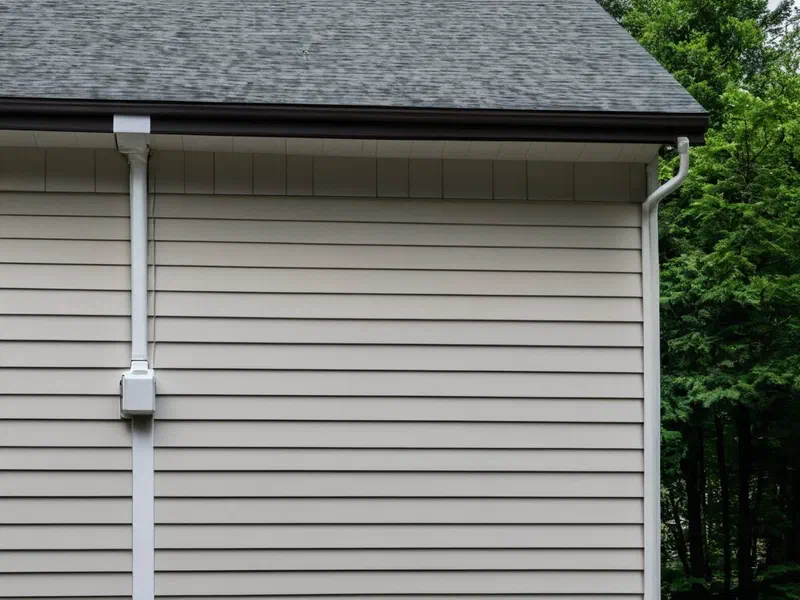
High radon levels can be fixed. The most common approach is a vent pipe and fan system that pulls radon from beneath the house and releases it safely above the roofline.
Sub-slab depressurization
A contractor drills a hole through the basement floor or slab, installs a pipe, and connects it to a fan that runs continuously. The fan creates a gentle vacuum beneath the foundation, so soil gas is vented outside instead of entering your home. The EPA notes that some systems can cut radon levels by up to 99%.
Other methods
- Crawl spaces: a plastic membrane covers the soil and the space beneath it is vented.
- Sealing: sealing cracks and openings makes other systems work better, but the EPA does not recommend sealing alone.
- Ventilation: increasing air exchange can help in some homes.
After installation
Retest once the system is running. Keep testing periodically — or use a continuous monitor — so you know right away if a fan fails or levels creep back up.
Sources
- A Citizen's Guide to Radon — U.S. EPA
- Consumer's Guide to Radon Reduction — U.S. EPA